Therapy for Obsessive Compulsive Disorder in Charleston, SC
Services available virtually throughout South Carolina
Take charge of your intrusive thoughts & learn to resist engaging in compulsions
Are unwanted thoughts, fears, or doubts taking over your life? Do you find yourself caught in cycles of checking, reassurance-seeking, analyzing, or avoiding situations just to quiet your mind? OCD can leave you feeling exhausted and trapped in a constant search for certainty.
You don’t have to let OCD rule your life. At Westercamp Counseling, Kindra will teach you how to respond differently to intrusive thoughts. She’ll assist you in building greater tolerance for uncertainty without needing persistent reassurance. You will learn to face fears and triggers in a gradual, supportive, and manageable way. You will finally be able to break free from the patterns that maintain OCD.
OCD isn’t always about cleanliness or organization. It can show up as persistent intrusive thoughts, overwhelming doubts, endless “what ifs,” checking, avoidance, or mental rituals. Many people who have OCD know their fears are not logical, yet find themselves unable to break free from the cycle.

You May Be Struggling with OCD if You…
Find yourself experiencing unwanted, intrusive thoughts that feel difficult to control or dismiss
Feel driven to check, count, clean, repeat, or do things a certain way to reduce anxiety
Frequently seek reassurance from others because you don’t trust your own thoughts or decisions
Feel stuck in a cycle of “what if” questions & an endless search for certainty
Avoid certain people, places, situations, or experiences because they trigger fear or anxiety
Find yourself performing mental rituals, such as analyzing past conversations
Worry that having a particular thought means something bad about who you are
Know that your fears/rituals may not make logical sense, but you still feel unable to stop
Overall, What can I Expect in Therapy for OCD?
Therapy for OCD is about helping you break free from the cycle of fear and compulsions. Using Exposure and Response Prevention (ERP), we will gradually and collaboratively face the thoughts, situations, or uncertainties that trigger your OCD- while also learning to resist the compulsive behaviors that keep the cycle going.
You will never be asked to jump into something before you’re ready. Instead, we’ll work together at a pace that feels challenging but manageable for you specifically, building confidence in your ability to tolerate discomfort and uncertainty.

Contact Kindra for a Consultation

More Specifically, What can I Expect?
In our work together, I’ll walk alongside you with compassion and support as you learn to break free from the cycle of OCD. Together, we’ll work through ERP using the following steps:
- Understand how OCD works and the patterns that keep you stuck
- Identify specific fears, triggers, and compulsions
- Create a personalized treatment plan for gradual exposure
- Practice facing fears without engaging in compulsions or rituals
- Learn to tolerate uncomfortable emotions
- Practice skills between sessions to strengthen progress
Schedule a Free 15 Minute Consult
Meet your OCD therapist
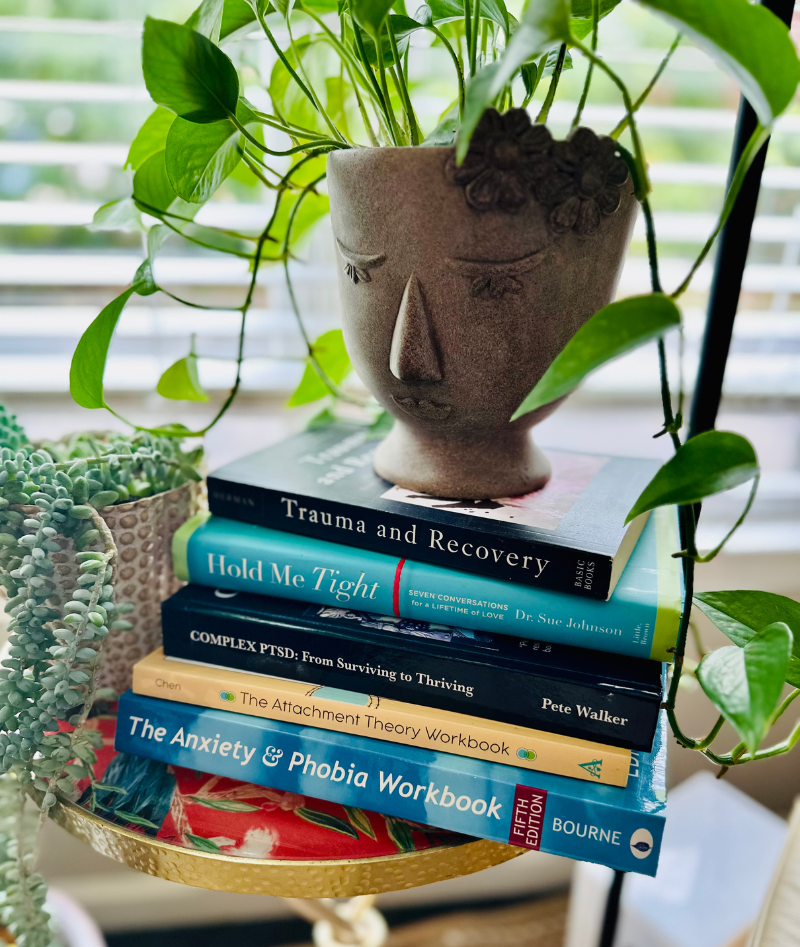
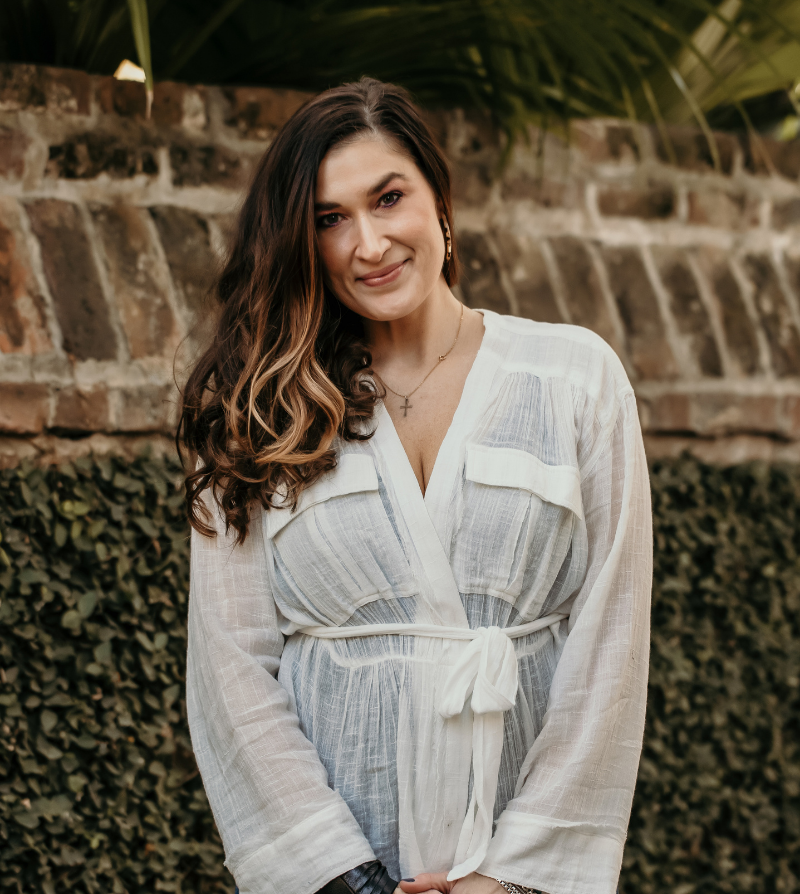
I’m Kindra Westercamp a psychologist in Charleston, SC specializing in couples therapy, postpartum therapy, anxiety/trauma therapy, as well as grief work. For over 15 years, I have been providing therapy to adult men and women in a warm, compassionate, non-judgmental space full of plants and messages of hope.
As a clinician, I have always been drawn toward helping clients better navigate their internal battle with anxiety, trauma, or OCD, as I also experience the heaviness of persistent worry, catastrophic thinking patterns, and intrusive thoughts.
Westercamp Counseling wants to help you go from surviving to thriving. It would be a privilege to help you develop tools to manage your constant battle with anxiety that don’t include relying on compulsions or avoidance. Let me help you rebuild confidence in navigating discomfort and uncertainty and move toward a life where OCD no longer dictates your choices.
FAQs about OCD Therapy
Will treatment make my anxiety go away?
The goal’s not to make anxiety disappear completely, rather it’s to help you stop allowing OCD to dictate your choices so you can spend more of your life doing the things that matter most to you.
Will I have to talk about my intrusive thoughts?
In short, yes, but you will never be judged for them. Intrusive thoughts are a common part of OCD, and having a thought does not mean you want it to happen or that it reflects who you are.
Will you make me face my biggest fear right away?
NO! ERP is gradual and collaborative. We will work at your pace, not the therapist’s. We’ll create a personalized plan and work through exposures step-by-step, beginning with challenges that feel more manageable and building from there.
What if I feel more anxious during ERP?
It’s normal for anxiety to increase temporarily when you begin facing something you’ve been avoiding. I’ll be there to support and guide you through the process, helping you learn that you can experience discomfort without relying on compulsions to make it go away.
Do I have to stop my compulsions immediately?
No. We’ll work together to gradually reduce your reliance on compulsions and other behaviors that keep the OCD cycle alive. The goal’s to build skills and confidence over time.
What if I can’t stop my intrusive thoughts?
The goal of ERP isn’t to get rid of intrusive thoughts. Everyone has unwanted thoughts. Instead, we’ll focus on changing how you respond to them so they have less power over your life.
How long will OCD therapy take?
Every person and treatment plan is different. The length of therapy depends on your symptoms, goals, and progress. How much you practice skills outside of session will also influence the therapy timeline.
Will ERP work for me?
ERP is consistently a first-line, evidence-based treatment for OCD and can be highly effective. While everyone’s experience is different, we’ll work together to tailor treatment specifically to your symptoms and goals.
What if I’m embarrassed about my OCD?
You don’t need to feel ashamed. OCD can take many forms, and intrusive thoughts can be deeply distressing. My goal’s to provide a safe, compassionate, and judgment-free space where you can be open about what you’re experiencing.