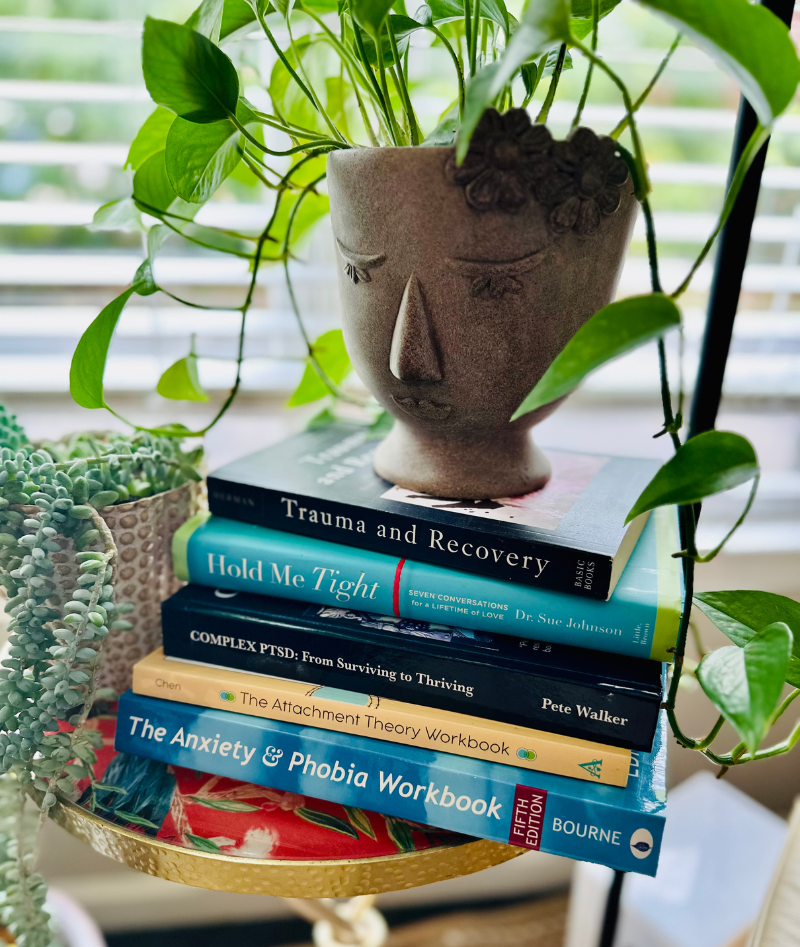
Therapy for Trauma and PTSD in Charleston, SC
Services available virtually throughout South Carolina
Heal Trauma Without Having to Relive it Forever
Are you struggling to trust others or feel safe in relationships? Do you find yourself constantly on guard, waiting for something to go wrong? Do you wonder why certain memories, situations, or relationships continue to affect you long after they’ve passed?
At Westercamp Counseling, Kindra helps you feel safer in your body and the world around you. She’ll assist in guiding you to calm your nervous system, rebuild trust, process painful or fearful memories, and feel more present in daily life versus stuck in survival mode. Healing doesn’t mean forgetting what happened. It means reducing the hold the past has on your present.

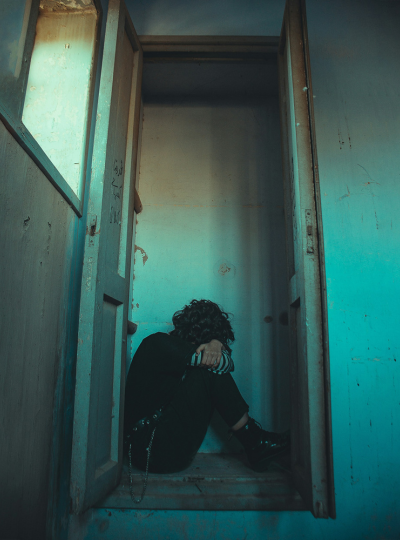
Not all Trauma Looks the Same
Some people can point to a single event that changed everything. Others struggle with the effects of experiences that accumulated over time. Both forms of trauma can have a profound impact on how we feel, relate to others, and move through the world.
Common Signs of Trauma
You don’t have to identify with the word “trauma” to recognize its effects.
Feeling constantly on edge, alert, or unable to relax
Intrusive memories, nightmares, or unwanted thoughts
Feeling emotionally numb
Frequent anxiety, irritability, or anger
People pleasing or prioritizing others’ needs over your own
Difficulty setting boundaries
Strained relationships
Guilt, shame, or self-blame
Avoiding certain people, places, conversations, or memories
Difficulty trusting people or allowing self to be vulnerable
Tendency to withdraw/isolate
Quick to startle
Difficulty asking for help
Strong need for control, predictability, or certainty
Trauma Treatment is not a One-Size-Fits-All
When trauma stems from a discrete event- such as an accident, assault, medical trauma, natural disaster, or sudden loss- healing involves processing a specific event and reducing the fear and avoidance that followed. Overall, treatment focuses on helping the brain and body process that experience so it no longer feels like it is happening in the present. Using evidence-based approaches, such as Prolonged Exposure Therapy, Kindra will help you move from surviving to feeling safer, more connected, and fully engaged in life.
On the other hand, when trauma occurs repeatedly over time- particularly during childhood or within important relationships- the impact often extends beyond fear memories alone.

Contact Kindra for a Consultation

Complex Trauma can affect:
- Self-worth and identity
- Relationships and attachment
- Emotional regulation
- Boundaries and trust
- Beliefs about safety, control, and deservingness
Whether your trauma stems from a single event or years of painful experiences, therapy with Kindra can help you process what happened, understand its impact, and reclaim a sense of safety, confidence, and connection.
Schedule a Free 15 Minute Consult
Meet your Trauma therapist
I’m Kindra Westercamp a psychologist in Charleston, SC, specializing in couples therapy, postpartum therapy, anxiety/trauma therapy, as well as grief work. For over 15 years, I have been providing therapy to adult men and women in a warm, compassionate, non-judgmental space full of plants and messages of hope.
Through my own journey of healing, I have come to understand the courage it takes to face painful experiences, break old patterns, and rebuild a sense of self. This personal understanding has shaped the compassion and depth I bring to the therapeutic space.
It would be a privilege to support you as you process your own experiences, heal emotional wounds, and move toward greater safety, connection, and peace.

FAQs about Trauma Therapy
Do I have to talk about everything that happened to me?
No. You are always in control of what you share and when you share it. Trauma therapy is not about forcing you to relive painful experiences. We’ll work together at a pace that feels safe and manageable for you.
Will I have to talk about my trauma in detail?
Not necessarily. Depending on your treatment goals and the approach we use, we may discuss aspects of your experiences, but the focus will always be on helping you heal- not on making you repeatedly revisit your pain.
What if I don’t remember everything that happened?
That’s ok. You don’t need a complete or perfect memory to benefit from trauma therapy. We’ll focus on what you do remember and, most importantly, how your experiences continue to affect you today.
What if I become overwhelmed or panic in session?
We’ll work together to help you recognize when you’re becoming overwhelmed or anxious and develop tools to help you feel grounded and safe. Therapy should challenge you while also providing a sense of support and stability.
Will trauma therapy make me feel worse before I get better?
It is very possible, but therapy is designed to help you move through those emotions safely. We’ll work at a pace that respects your needs and readiness.
How will I know if I’m ready for trauma therapy?
You don’t have to feel completely ready or know exactly where to begin. If you find that past experiences are affecting your relationships, emotions, sense of self, or ability to enjoy life, therapy may be a helpful place to start.
What if I feel like my experience wasn’t “bad enough” to be considered trauma?
You don’t have to compare your experience to anyone else’s. If something has had a lasting impact on you, your feelings are worthy of being explored. You deserve support regardless of whether you feel your experience fits a particular definition of trauma.
Will I be judged for how I coped with my trauma?
No! Many of the ways people cope with trauma developed as attempts to protect themselves or survive difficult experiences. We’ll approach your story with compassion and curiosity, without judgement or shame.